What Foam Rolling Does for You
Foam rolling isn’t just trendy it’s a science backed technique that improves how your body feels and performs. Here’s what a few minutes with a foam roller can do for you:
Release Muscle Tension
Foam rolling helps break up adhesions in your fascia the connective tissue that surrounds muscles.
By easing tight spots and knots, it helps restore muscle function and range of motion.
Boost Circulation Effortlessly
Gentle pressure from rolling stimulates blood flow, helping deliver oxygen and nutrients to your muscles.
Better circulation means faster recovery and reduced muscle fatigue.
Improve Flexibility and Mobility
Regular rolling can make stretching more productive by loosening muscle fibers.
Over time, it supports better joint range of motion important for overall athletic performance.
Minimize Post Workout Soreness
Foam rolling helps clear out metabolic waste like lactic acid, which contributes to soreness.
Less soreness = quicker return to training and better consistency overall.
A short foam rolling session can unlock tight muscles, reduce soreness, and help your body recover smarter not harder.
When to Use It
Foam rolling is more than just a recovery tool it can (and should) play a strategic role throughout your training week. Whether you’re prepping for a workout, cooling down, or simply staying loose, timing matters.
Pre Workout: Wake Up Your Muscles
Rolling before your workout can activate key muscle groups and prepare your body for movement. Instead of static stretching, which can reduce muscle power temporarily, foam rolling promotes blood flow and primes the nervous system.
Stimulates circulation and muscle activation
Reduces stiffness that could limit range of motion
Ideal for targeting quads, glutes, and calves before dynamic exercises
Post Workout: Flush Out the Waste
Directly after training, foam rolling supports recovery by helping your body clear out metabolic waste like lactic acid. It also reduces tightness and aids in keeping soreness manageable.
Eases muscle tension built during intense effort
Enhances recovery by improving circulation
Helps jumpstart the healing process for micro tears in muscle tissues
Rest Days: Maintain Mobility
Even when you’re not training, foam rolling can keep your muscles responsive and ready for action. On rest or lighter days, the goal is to restore and maintain mobility not dig deep.
Keeps tissues pliable and hydrated
Promotes faster recovery without stressing the body further
Great for aligning posture and tuning in to any tight spots developing over time
Key Techniques Made Simple

Mastering a few targeted foam rolling techniques can make a noticeable difference in both recovery time and movement quality. Here’s how to approach key muscle groups for maximum impact.
Quads: Find the Front Line Tension
Your quads often take the brunt of leg heavy workouts. Rolling them out can reduce stiffness and restore flexibility.
How to Roll:
Begin mid thigh and slowly roll down toward the top of the knee.
Use small, controlled movements rather than big, sweeping rolls.
Change your leg angle slightly to reach different muscle fibers across the quad.
Tip: Support your upper body on your forearms to keep pressure consistent and avoid overloading.
Hamstrings: Loosen the Power Muscles
Tight hamstrings decrease mobility and affect posture. Target them to boost efficiency in movement.
How to Roll:
Sit on the floor with the foam roller under your thighs.
Support your weight with your hands behind you and slowly roll from your glutes to your knees.
Try one leg at a time for increased intensity and focus.
Extra Boost: Add in gentle toe flexing and pointing during the roll for greater muscle engagement.
Calves: Ease Lower Leg Tension
Your calves work hard whether you’re running, walking, or lifting. This area benefits greatly from targeted rolling.
How to Roll:
Cross your ankles to increase pressure and roll from your heel up to just behind the knee.
Lift your body slightly off the ground with your hands to control intensity.
Perform slow ankle circles while rolling to release fascia and small muscle knots.
Pro Technique: Pause on tight spots for a few seconds and let the pressure sink in.
Upper Back: Unlock Thoracic Mobility
The upper back often carries tension, especially from sitting or poor posture. Foam rolling here can restore mobility and relieve pressure.
How to Roll:
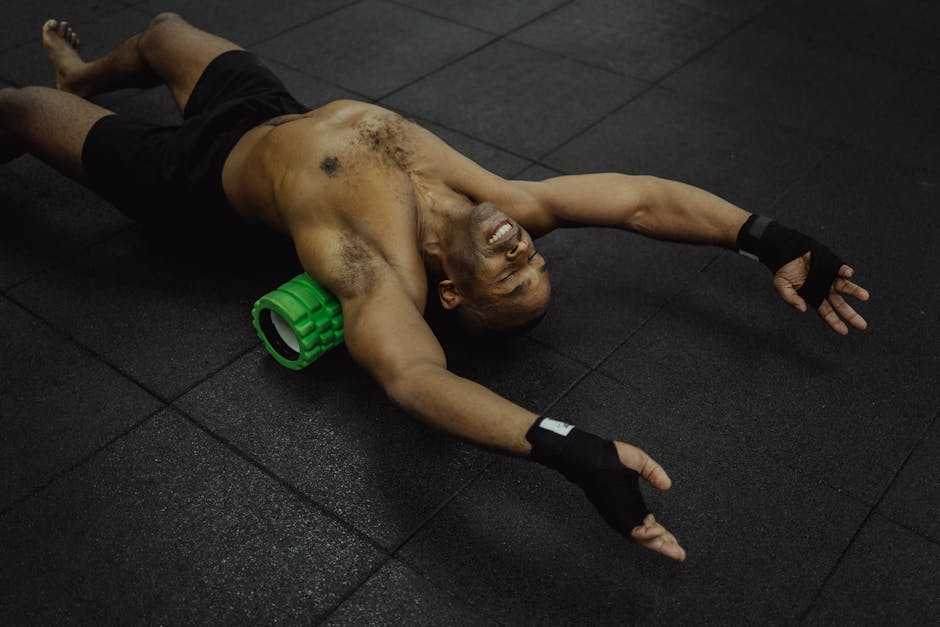
Lie flat on your back and place the foam roller under your shoulder blades.
Roll upward toward mid spine and then return avoid rolling the lower back.
Cross your arms and hug yourself to stretch your shoulder blades apart and expose more surface area.
Caution: Keep your chin tucked slightly and core engaged to protect your neck and lower spine.
Integrating these techniques just a few times per week can drastically improve how your body feels and performs on workout days and rest days alike.
Avoid These Mistakes
Foam rolling works if you do it right. But a few common slip ups can turn a good habit into wasted effort or even injury.
First, slow down. Rolling too fast doesn’t give your muscles time to respond. You’re not icing a cake you’re trying to release tight fascia. Small, controlled movements allow the tissue to actually loosen up. If you’re rushing through it, you’re just going through the motions.
Second, don’t park on sore spots too long. Yes, it hurts. That doesn’t mean more is more. Staying in one place past 20 30 seconds can bruise the muscle and irritate nerves. If you find a trigger point, pause briefly, take a few deep breaths, then keep it moving.
Lastly, avoid rolling over joints or bones. Foam rolling is for soft tissue muscle, not bone. Rolling directly over knees, hips, or the spine can do more harm than good. Stick to muscle mass and let the bones do their job.
Done right, foam rolling is recovery gold. Just respect the technique.
Build It into Your Routine
Foam rolling doesn’t need to be a time suck. Even just 5 to 10 minutes can unlock tight tissue and jumpstart your recovery. The key is consistency. Doing it here and there is better than nothing, but the magic happens when it becomes part of your routine before workouts, after tough sessions, or on your rest days.
To get the most from it, pair rolling with basic mobility drills. Think hip openers, trunk rotations, or ankle circles. Together, they help retrain your body to move well. Over time, this leads to cleaner form, fewer tweaks, and more efficient running. If you’re serious about lasting progress, roll often and roll like it matters.
For more on how to sharpen technique, check out this guide on how to improve form.
Bottom Line
Foam rolling isn’t just a recovery tool it’s a smart performance enhancer that fits almost any training style. With minimal time and effort, it delivers noticeable benefits in both how you feel and how you move.
Why It Works
Enhances circulation and speeds up muscle recovery
Reduces soreness after workouts or intense training blocks
Breaks up muscle knots, allowing for smoother, more efficient movement
Long Term Benefits
When added consistently to your routine, foam rolling can:
Support better posture and mobility
Decrease risk of injury due to restricted movement
Complement strength and endurance gains by improving tissue quality
More Than Just Relief
Foam rolling doesn’t just make you feel better it can directly impact your performance. By loosening tight fascia and improving body mechanics, you can improve form and improve how efficiently your body moves over time.
Make it a habit, not a hassle, and your body will thank you not just tomorrow, but for every workout to come.