
Know Your Body’s Limits
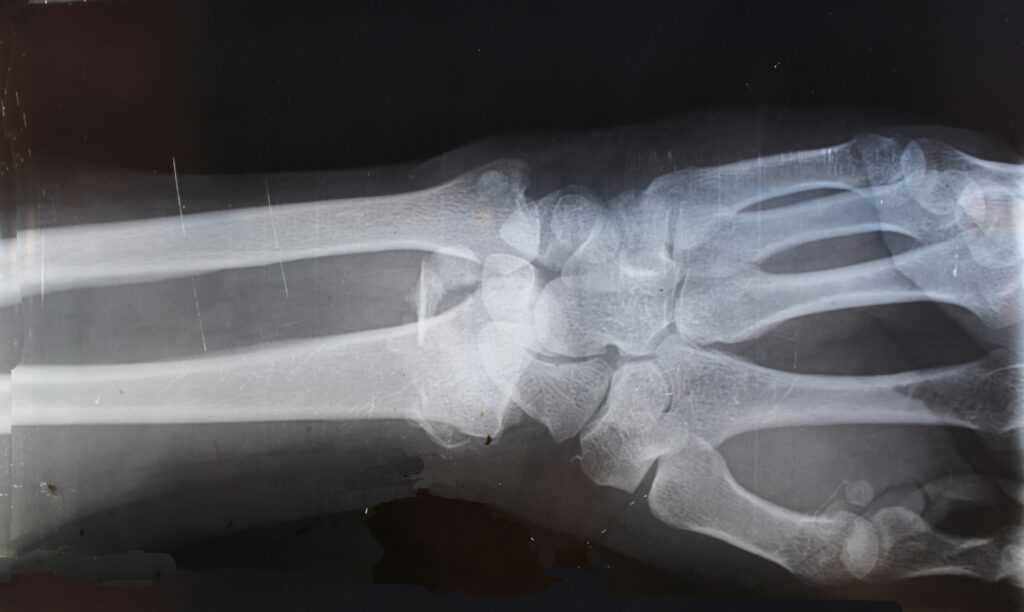
Want to get better at running? Don’t run yourself into the ground. Overtraining is one of the fastest ways to get sidelined. Your body breaks down when you don’t give it time to build back up. Stress a system too hard, too often, and something’s going to snap literally. Shin splints, tendonitis, stress fractures they’re all common among runners who ignore the need for recovery.
It’s also important to know the difference between soreness and strain. Soreness is that general ache after a hard session it fades in a day or two. A strain, on the other hand, sticks around, sharpens, or makes you limpy. Learn to listen. Push through the wrong type of pain and you’re not building grit you’re courting rehab.
A solid training plan isn’t just about mileage or splits; it’s about balance. That means building in rest days, dialing back after hard weeks, and allowing your body time to adapt. The best runners train smart, not just hard. That’s how you stay on the road week after week, season after season.
Warm Up Like You Mean It
Warming up properly is one of the most overlooked keys to injury prevention. Skipping it can leave your muscles cold and more prone to strain, while doing it right sets the stage for a safer, more effective run.
Activate Before You Accelerate
Before jumping into your full running pace, it’s critical to activate your muscles with dynamic movements. These help increase blood flow, improve mobility, and wake up your central nervous system.
Try this dynamic warm up routine:
Leg swings (forward/backward and side to side)
Walking lunges with a twist
High knees or butt kicks
Arm circles and torso rotations
These movements prepare your joints and muscles for the demands of running without forcing them into static stretches that aren’t as effective when your body is still cold.
Stretching After, Not Before
Static stretching think bending to touch your toes or holding a hamstring stretch is best saved for after your run. When muscles are warm, they respond better to deeper stretching, helping to increase flexibility and reduce post run tightness.
Stretching cold muscles before a run could actually increase your risk of injury. Instead, reserve your stretching routine for post run recovery, focusing on calves, quads, hamstrings, and hip flexors.
The 5 Minute Rule
If you only remember one thing before your next run, make it this: start with five minutes of low intensity movement. Whether it’s brisk walking or a light jog, this mini transition gives your body time to shift gears.
This simple habit gradually increases your heart rate, loosens up your joints, and signals to your muscles that it’s go time without the shock of a sudden sprint or uphill burst.
Need warm up inspiration?
Check essential warm up drills, recovery tips, and more
Step Up Your Gear Game
What you wear on your feet can either support your stride or quietly sabotage it. Choosing the right shoes starts with knowing your gait. Are you an overpronator? Do you land heavy on your heels? Visit a running store that does gait analysis. It’s worth the 20 minutes.
Also, where you run matters. A shoe that works on pavement won’t hold up on technical trails. Match your footwear to your terrain. Don’t chase trends or cool colors chase what helps your joints survive 10K without complaint.
And don’t ride those shoes into the grave. Most running shoes tap out around 300 500 miles. Past that, they lose support and increase your injury risk. Rotate pairs if you log heavy mileage.
One more thing: socks and insoles are underrated. Moisture wicking socks prevent blisters and hot spots, while quality insoles can mean the difference between finishing strong or limping off the track. No need to get fancy just get gear that works with you, not against you.
Dial In Recovery

Recovery isn’t just icing a sore knee and hoping for the best. It’s the less glamorous side of running that keeps you going longer, stronger, and without setbacks. Start with foam rolling and massages they’re not only for professionals. Self myofascial release (that’s the fancy term for foam rolling) helps break up tight spots and keeps your muscles moving freely. A short daily session can prevent problems before they start.
Sleep is recovery’s secret weapon. Nothing you eat, roll, or stretch can replace decent hours under real sleep. Your body knits itself back together while you’re out cold, so seven to nine hours isn’t a soft suggestion it’s essential maintenance.
And when it comes to supplements, don’t grab random pills from a shelf. Look for science backed ingredients like turmeric (for inflammation), collagen (for joint support), and magnesium (for muscle relaxation). They can’t do the work for you, but they support what you’re already doing.
Explore more gear and recovery strategies here
Nail Your Nutrition
Running isn’t just about your legs it’s about what you put in your tank. If you want to stay injury free, bounce back faster, and keep your energy steady, nutrition has to be part of your routine, not an afterthought.
Start with the basics: protein for muscle repair, carbs for energy, and healthy fats to keep inflammation in check. Think salmon, sweet potatoes, avocados, leafy greens, and a mix of nuts and seeds. Tart cherry juice, turmeric, and ginger are all natural ways to help your body fight post run inflammation without reaching for a pill bottle.
Pre run fuel should be simple and digestible: a banana with peanut butter, oatmeal with a splash of honey, or a slice of whole grain toast can do the trick. After a run, it’s about refueling and rebuilding. Aim to eat within 30 60 minutes. A recovery smoothie with yogurt, berries, and protein powder works. So does a lean protein and veggie loaded bowl with quinoa.
Hydration isn’t just about chugging water. Think electrolytes especially sodium, potassium, and magnesium. If you’re sweating buckets, plain water won’t cut it. Try coconut water, or mix in an electrolyte powder to keep your system balanced. And don’t wait until you’re thirsty by then, you’re already playing catch up.
Get this right, and your body will thank you in durability, performance, and fewer aches.
Mix It Up
If all you do is run, eventually, something’s going to give. The smartest runners know that cross training isn’t extra it’s essential. Think low impact workouts like cycling, swimming, or rowing. These build cardio capacity without pounding your joints. Add in strength training twice a week, and you’ve got a solid foundation that supports every stride. Strong glutes and core muscles do more than make you look good they stabilize your form and reduce stress on your knees, hips, and ankles.
Flexibility work matters too. Yoga and mobility drills keep your muscles long and joints loose. Runners tend to skip this, but if you want to avoid sidelining tight hamstrings or a cranky IT band, make space for it.
The bottom line: Variety keeps you in the game. Mentally, it breaks the monotony. Physically, it balances out muscle groups and keeps chronic overuse injuries at bay. Mixing it up isn’t a detour from training it’s how you stay on the road.
Know When to Stop
Running through discomfort might feel noble in the moment, but it’s often the shortest road to a long term setback. The early warning signs are usually subtle nagging pain that lingers longer than usual, stiffness that doesn’t ease up after movement, or fatigue that doesn’t shake off with rest. These aren’t badges of toughness. They’re your body waving a red flag.
The rule of thumb? If you’re changing your stride to avoid pain, it’s time to hit pause. If it’s soreness that fades within 24 to 48 hours, you might be able to modify shorter mileage, softer terrain, slower pace. But when pain shows up fiercely at the start of a run or gets worse as you go, stop. Rest. It’s not defeat it’s strategy.
One skipped run today can prevent six weeks of forced time off. Listening to your body isn’t weakness it’s the skill that keeps you lacing up again and again, for years to come.