
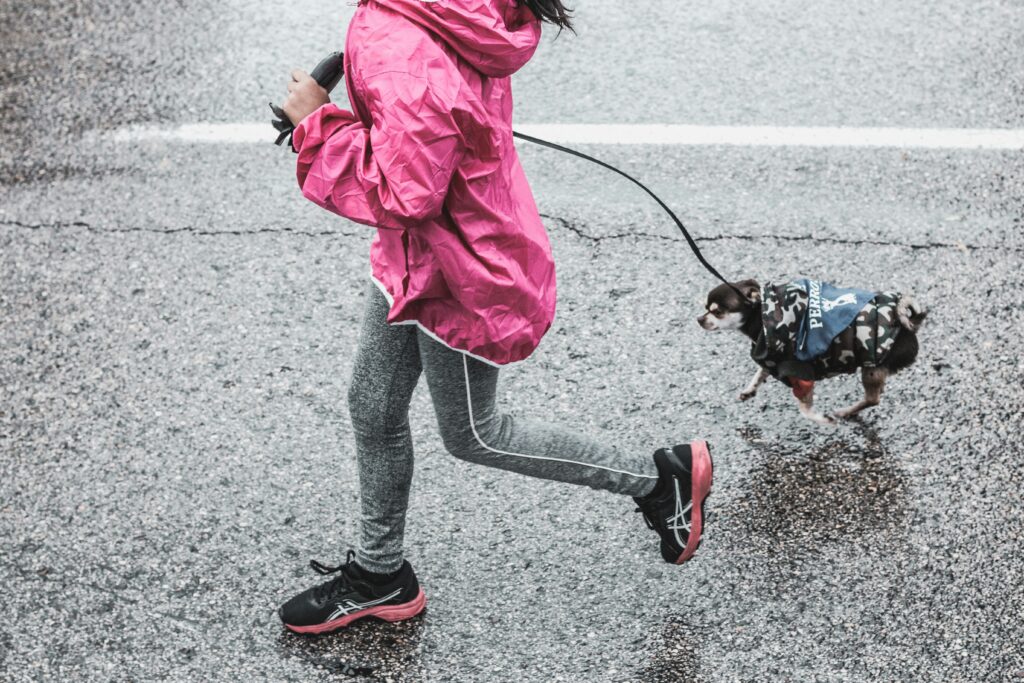
Start With the Right Dog
Before lacing up your shoes and clipping on the leash, take a hard look at what kind of dog you’re working with. Not every pup is built for distance or speed, and pushing the wrong dog too far can do more harm than good. Breed, age, and overall health all matter.
High energy working breeds Labradors, Vizslas, Border Collies tend to thrive on regular runs. These dogs were built to move. On the flip side, brachycephalic breeds (short nosed types like bulldogs) or older dogs with joint issues aren’t made for endurance. Puppies younger than 12 18 months? Still growing don’t risk the damage.
Even if your dog seems eager, check in with your vet before starting any kind of running routine. It’s a quick step that can prevent long term problems. Because once you’re out on the path, you’re not just exercising a dog you’re building a team.
Build Up the Miles Slowly
Dogs, like people, need conditioning. Jumping straight into long runs isn’t just risky it’s a fast track to injury. Instead, begin with short runs or even brisk walks to get your dog used to the rhythm and pace. That first week or two should feel easy, maybe even boring, and that’s the point.
Increase distance and intensity gradually. If you’re using a running plan for yourself, mirror that for your dog. Think in terms of adding a little more each week, not every day. Some breeds adjust fast; others take more time. Either way, it’s about building a solid base.
Keep an eye out for signs your dog’s been pushed too far. Excessive panting, slowing down, limping, or constantly trailing behind are all red flags. If you spot any of that, ease off. Dogs won’t always let you know when they’re done, so it’s on you to read the signals and make the call.
Essential Commands Your Dog Needs to Know
Before your dog hits stride as your go to running partner, mastering a few key commands is non negotiable. “Heel,” “Leave it,” “Stay,” and “Come” are the backbone of safe, stress free runs. Whether you’re hitting a busy park path or a quiet trail, these basic cues could be the difference between a smooth jog and a chaotic tug of war.
Start indoors or in calm outdoor settings low distraction spots where your dog can absorb what you’re teaching without squirrels or stray tennis balls pulling rank. On leash control is the first real checkpoint. If your dog pulls constantly or ignores commands, you’re not ready to level up.
Reinforce every success with a treat, or just genuine praise. The reward doesn’t have to be extravagant what matters is that your dog learns what earns affection or snacks and keeps repeating the behavior. Discipline through consistency, not volume, is the rule. If you’re firm, fair, and repetitive, the commands will stick and your runs will feel fluid.
Gear Up Smart

The right tools make running with your dog a lot smoother and safer. First, ditch the traditional leash and try a hands free version with a waist belt. It keeps your arms free and your stride natural, while still giving you solid control.
Swap the collar for a harness. It distributes pressure better, especially if your dog pulls, and helps avoid strain on their neck. Think comfort and safety first.
Staying hydrated is key, for both of you. A foldable water bowl is lightweight and easy to stash. Bring enough water for your run, especially in warmer months.
If you’re out early or late, visibility matters. Reflective vests, LED collars, and blinkers help you and your dog stand out in the dark. Drivers, cyclists, even other runners make sure they can see you coming.
Be Weather and Surface Aware
Your dog’s paws take the brunt of the run, so surface conditions matter. On hot days, pavement can burn if it’s too hot for your hand, it’s too hot for their feet. Early mornings or shaded paths are better bets.
Live somewhere that drops below freezing? Ice isn’t just slippery it can crack or cut paw pads. Paw wax or booties can help, especially for dogs not used to snow. It looks funny at first, but they’ll adapt quickly.
Whenever possible, stick to dirt trails or grassy shoulders. Softer surfaces reduce the impact on joints yours and your dog’s. And bonus: fewer distractions from blowing trash or sidewalk smells. Simple rule? Keep it safe, keep it natural.
Make It Fun and Family Friendly
Running with your dog doesn’t have to feel like a full on workout every time. Loosen things up with occasional sniff breaks or pauses at trail overlooks. This gives your pup a chance to explore and resets their energy an underrated part of a stress free run.
Better yet, bring the whole crew. Kids, partners, and even other pets can turn your solo jog into an easy group habit. You set the pace, everyone else brings the vibe. Running together builds routines and connection in a way screens never will. Keep things light, flexible, and tuned to what makes it enjoyable over just “efficient.”
Need ideas for how to keep the experience fun for everyone? Check out these family running tips and see what sticks.
Know When to Rest or Stop
Dogs won’t always tell you they’re overdoing it. Some are wired to keep going, even when they shouldn’t. That’s where you come in. Learn your dog’s patterns if they start lagging, panting harder than usual, or breaking stride, it’s time to slow down or call it. Never push through the limp.
Rest days aren’t just okay they’re necessary. Just like with human runners, recovery is part of the cycle. Build break days into your dog’s training. This gives muscles time to heal and reduces the risk of injury. Keep in mind: a little fatigue is fine, but soreness, stiffness, or any sign of pain means you need to back off.
Your job isn’t just to pace the run it’s to protect your partner. Train smart and you’ll both stay on the trail longer.
The Long Term Payoff
Let’s be honest most running partners flake. Dogs don’t. Once trained, your four legged friend becomes the most reliable run buddy you’ve ever had. No complaints, no rescheduling, no showing up late. They’re ready to go when you are.
The benefits go both ways. Running gives your dog more than just exercise. It burns off mental steam, helps curb destructive habits, and keeps them sharp. Same goes for you steady movement, fresh air, and that subtle push to stick with the habit.
And when motivation’s low, there’s your dog by the door, tail wagging. That alone can be the nudge you need to lace up. Consistency is everything in running, and a dog who loves the routine makes sticking to it way easier.