Long-distance running places steady pressure on muscles, joints, and connective tissue. Each mile adds small layers of stress that can build over time. Many runners focus on speed, mileage, and plans but overlook recovery habits that protect long-term progress. Controlled movement training can offer valuable support for tired muscles and overloaded joints. This approach helps runners feel stronger, move better, and stay consistent.
Why Recovery Matters More Than Most Runners Think
Recovery is the engine behind progress. Stronger training sessions come from well-supported muscles. When recovery is weak, form breaks down. This leads to more tightness and higher injury risk. A smart recovery plan keeps the body ready for hard miles.
Long-distance runners usually deal with three common issues.
- Tight hip flexors that limit stride control.
- Weak glutes that increase lower back stress.
- Fatigued core muscles that reduce stability.
Controlled movement training can reduce these issues through slow, guided work that builds strength and flexibility at the same time.
Research from the American College of Sports Medicine shows that stable form and controlled movement patterns help runners lower injury risk and protect long-term performance.
How Controlled Movement Helps Runners Recover Faster
Controlled movement training focuses on slow, precise patterns. Every motion targets a muscle group with purpose. This helps runners feel each phase of the movement and build balanced strength. These benefits create a safer recovery window after long miles.
Key benefits include:
- Better posture during long runs.
- Improved hip strength that reduces joint strain.
- More even muscle activation through the lower body.
- Higher control during downhill or speed sessions.
This type of training also helps runners create smoother transitions between muscle groups. This makes each stride feel lighter and more stable.
Expert guidance from the Marathon Handbook highlights how focused strength work and smart recovery habits support smoother running mechanics and help prevent common long-distance injuries.
Why Runners Are Turning to Reformer Style Training
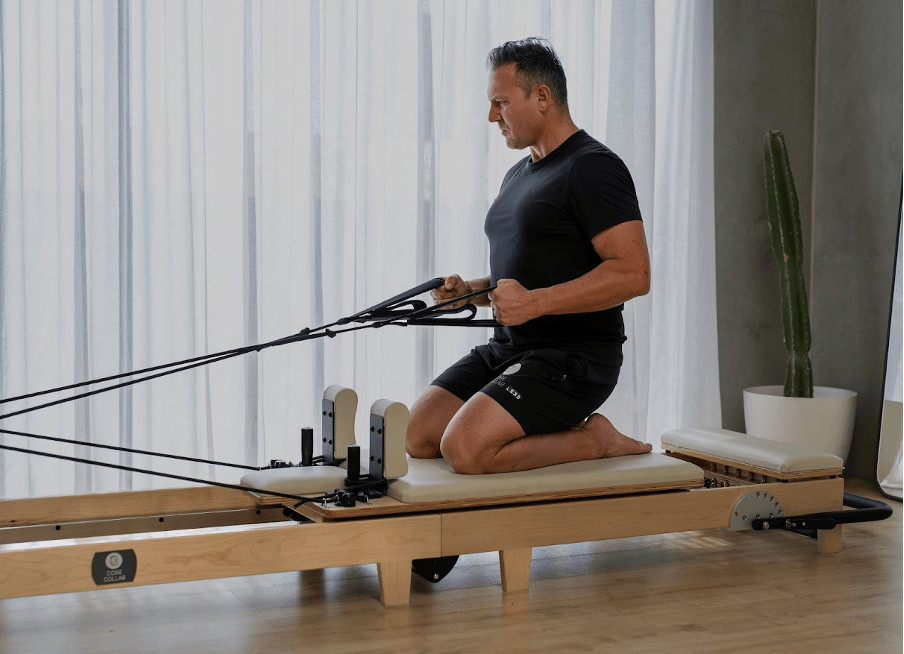
Many runners now use equipment that guides controlled movement and supports proper alignment. Reformer-style machines create resistance through cables and springs. This creates steady pressure without heavy impact. The Sculptformer and similar high-intensity reformer machines offer structured resistance that can support targeted strength for runners.
These machines are popular among runners who want stronger cores, steadier hip movement, and better balance. The sliding platform and guided springs help runners feel each muscle during slow, precise work. This builds control that supports long-distance form.
Some runners add supportive gear like guided resistance bands, foot straps, and helpful pilates accessories for structured strength sessions. These tools create more stability during delicate movements. They also help runners activate hard-to-reach muscles that support the hips and core.
What Makes This Style Ideal for Long Distance Recovery
Controlled movement training focuses on strength and length at the same time. This helps runners build flexible strength without adding heavy impact. The slow patterns relax tight muscles while training them to support better posture.
This method can help runners:
- Hold a stronger form during long races.
- Reduce knee pressure on uneven surfaces.
- Develop smoother stride cycles.
- Bounce back quicker after tough sessions.
Many long-distance runners notice fewer flare-ups of tight IT bands or sensitive Achilles tendons after adding structured movement work to their recovery plan.
A Simple Structure That Runners Can Use Each Week
Runners do not need long workouts to see results. Short, targeted sessions can create great changes in posture and muscle control.
A sample weekly structure can look like this:
- Short session after easy runs: Ten minutes of light core work with slow breathing patterns. Focus on gentle movements that open the hips.
- Medium session on cross-training days: Twenty minutes of guided leg and hip strength. This can include controlled lunges, footwork sequences, and glute activation.
- Focused session once per week: Thirty minutes of slow, guided double-leg and single-leg work on a reformer-style machine. This creates precise resistance that builds balance and control.
This structure helps the body stay flexible and supported during high training cycles.
How Reformer Style Machines Support Better Running Mechanics
Reformer-based training focuses on alignment. Every movement is guided, which helps runners correct small habits that create pain. The springs offer resistance at every point in the motion. This helps runners increase strength without sharp pressure on the joints.
A few specific benefits stand out:
- Stronger core engagement during long climbs: Guided patterns teach the core to activate early, which supports the back.
- Better glute firing during long runs: Slow patterns wake up muscles that often stay inactive during daily life.
- More control during transitions: Runners gain smoother foot landings and improved stride symmetry.
These benefits support better pacing and fewer late race form issues.
Why Consistency Matters for Real Recovery Gains
Progress in controlled movement training comes from consistency. Runners who train a few minutes each week see early changes in balance and strength. The key is to maintain steady, simple habits.
Regular sessions help muscles remember how to support the body under fatigue. This becomes very important during long races. A strong core and stable hips can protect the body from the slow breakdown that often happens in the final miles.
How Runners Can Choose the Right Training Setup
Controlled movement training works well at home or in studio settings. Many runners now choose a home setup because it offers flexibility during busy training cycles. High-intensity reformer machines like the Sculptformer support guided pressure and smooth resistance. These machines create a steady challenge that matches the needs of long-distance runners.
Useful features include:
- Adjustable spring resistance for controlled strength.
- A sliding platform to train balance and alignment.
- Foot bars and straps for targeted lower body work.
- Handles for safe core engagement.
Runners can pair these machines with small supportive tools to add more variety to their sessions. This helps create steady progress and reduces the risk of overloading the same muscles each week.
The Role of Controlled Movement in Long-Term Running Health
Many runners want long careers in the sport. Smart recovery habits help protect that goal. Controlled movement builds strength gradually. This style supports better alignment, improved balance, and safer transitions.
Runners often report better posture, less tightness, and greater confidence during long runs. The training method teaches the body to move with control. This helps protect the joints during high mileage periods.
Adding structured recovery work can reduce the strain that builds up over weeks of training. It can help runners stay consistent across seasons and reach new performance goals.
Final Thoughts
Long-distance runners need more than miles to stay strong. Controlled movement training offers a clear path to better recovery and more stable running form. This method trains the body to move with purpose. It builds strength that supports each stride and protects against fatigue.
Runners who add guided strength sessions each week often feel smoother, steadier, and more supported during long cycles. This training style helps build the foundation needed for strong races and lasting progress.