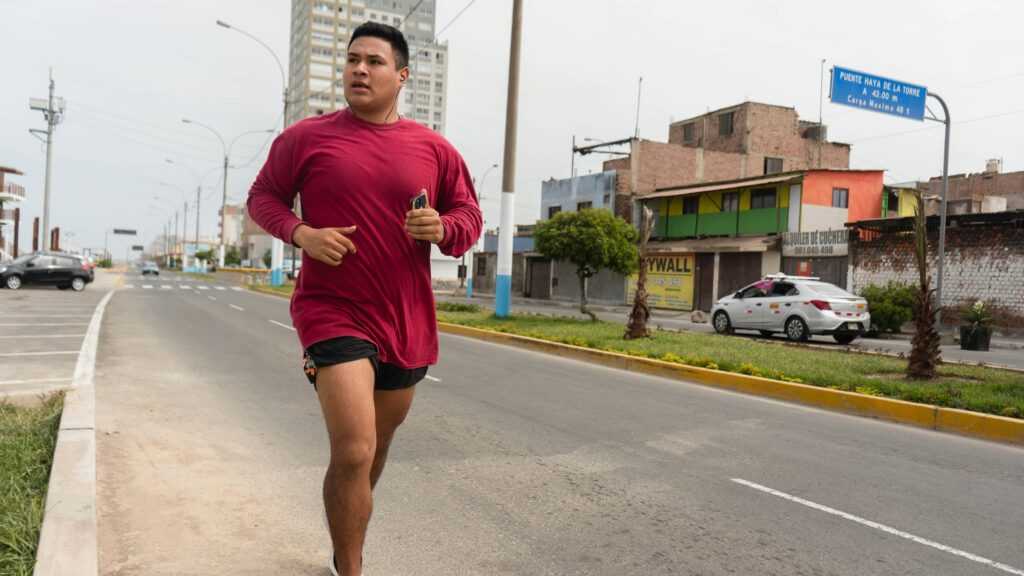
Most runners know the feeling. The legs feel ready. The lungs feel steady. Yet the knees or hips send a small warning before the first kilometre even begins. It might be a dull pinch at the front of the knee. A tight pull across the hip. A stiffness in the lower back that arrives earlier with every run. These small signals are often the body asking for better support, not more effort.
Strength work is one of the most effective ways to protect a runner’s joints, but the right style matters. When training focuses only on pushing harder, the stabilising muscles fall behind. When training shifts toward slow, controlled strength, the joints finally get the support they need.
This gentler style helps runners stay consistent. It reduces strain. It builds smoother movement patterns. It helps the knees and hips share loads more evenly, which matters for anyone who wants to keep running well as the years go on.
Why Runners Need A Different Kind Of Strength
Running is repetitive. Step after step, the same joints absorb the same forces. Over time, this creates an imbalance. Some muscles work too much. Others switch off. When the system becomes uneven, the joints take the pressure. This is why even strong runners can develop tight hips, irritated knees, or persistent discomfort.
Guidance from the NHS on knee pain explains that overuse, poor mechanics, and repeated load can contribute to knee discomfort, which is why supportive strengthening routines matter.
Slow, deliberate strength work breaks this cycle. It teaches the body how to move with better alignment. It wakes up the deep stabilisers around the hips, pelvis, and spine. When these muscles do their job, the joints stop absorbing every impact on their own.
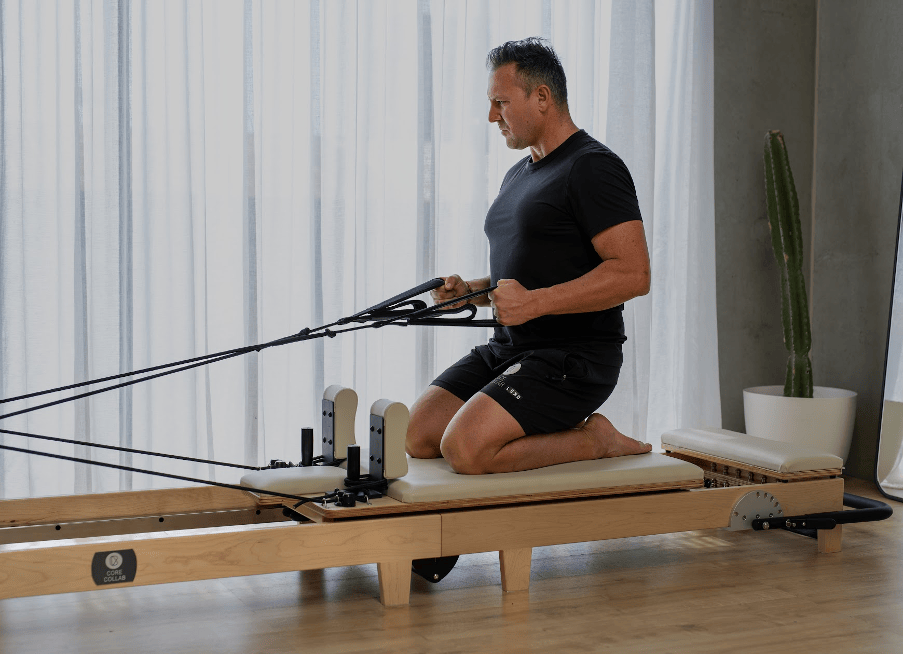
Many runners use home routines to stay consistent. Some follow guided sessions that include a steady setup with a supportive platform that keeps movement slow and controlled.
Others add small supportive tools from curated reformer pilates accessories options to help guide knee alignment, stabilise the hips, and reduce pressure during each repetition. This combination encourages smooth patterns that build strength without overwhelming the joints.
How Controlled Strength Protects The Knees
The knee often suffers from issues that begin elsewhere. If the hips are weak, the knee rotates inward. If the ankles are stiff, the knee takes the strain. If the pelvis tilts, the knee loses its stable path. Slow strength work helps runners correct these patterns without force.
Controlled leg work teaches the muscles to fire at the right time. This improves the way the knee lines up during each step. When runners build strength in a slow, stable pattern, the knee finally gains the support it has been missing.
These changes help runners notice small improvements, such as:
- Less pressure around the front of the knee
- More stability when landing on uneven ground
- Less fatigue in the outer thigh after long runs
- A smoother stride during the middle of a run
The knee feels better, not because it has been pushed harder, but because the body around it has learned how to work together.
Why Hip Strength Matters Even More For Runners
The hips often decide how well someone runs. They control the stride. They manage balance. They stabilise the pelvis. When they weaken, the body compensates through the knees and lower back.
Slow strength routines target the deep hip muscles that runners rarely feel but rely on every day. These include the small stabilisers that control rotation and impact absorption. When these muscles wake up, the hips become steadier and more powerful.
This creates real improvements during everyday running:
- The stride feels more controlled
- The pelvis stays level during each step
- The lower back stops working overtime
- The knees absorb less unwanted force
Balanced hips often mean fewer injuries and more comfortable miles.
Tools That Help Runners Build Strength Without Extra Load
Some runners struggle with traditional strength routines because the movements feel too sharp or too heavy. For tired joints, a smoother setup helps the body learn without strain.
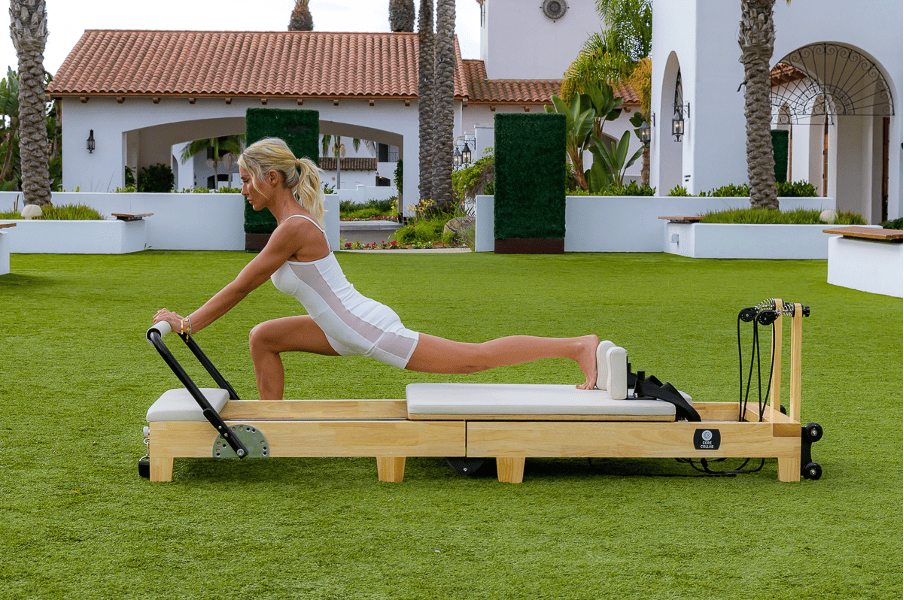
Many runners use a guided setup that includes a steady reformer machine platform to help control each movement and support joint alignment during training. A stable sliding platform can help teach precise alignment and reduce the quick shifts that often irritate the knees.
How Slow Strength Boosts Running Efficiency
Runners often focus on pace, but movement efficiency matters even more. When the joints work against each other, the body wastes energy. When the stabilisers switch on and the hips align properly, the stride becomes smoother.
Slow strength training helps:
- Improve landing mechanics
- Reduce unnecessary sideways shift
- Create better push-off patterns
- Encourage deeper breathing
- Reduce joint irritation
When runners move with better mechanics, they need less effort to maintain the same pace. Many notice that their stride feels easier after adding calm, consistent strength routines.
The CDC notes that regular, joint-friendly physical activity can reduce pain and improve function for people with joint issues, especially when strength training is built in slowly and consistently.
A Simple Strength Pattern Runners Can Use Weekly
Runners do not need long sessions. Small, consistent routines help the most. A simple weekly sequence might include:
- Slow breathing to open the ribs: Helps the core engage and reduces upper-body tension.
- Gentle hip circles: Loosens the joint before deeper work.
- Glute activation at a slow tempo: Helps stabilise the pelvis.
- Controlled single-leg press: Builds strength that supports knee alignment.
- Slow pulling or pushing patterns: Helps balance the shoulder and spine.
- Soft stretching to finish: Helps the body reset.
This quiet routine works well because it strengthens the places runners often skip while still feeling gentle enough to repeat throughout the week.
Why This Method Feels Better Than Pushing Harder
Most runners are used to intensity. Short intervals. Tough sessions. Sore legs. Yet the body cannot stay in that mode every day. When training becomes too intense, the nervous system stays activated. Muscles tighten. Recovery slows. Joint strain increases.
Slow strength training gives the system room to breathe. The muscles learn to support the joints without the stress that comes from heavy loads or fast changes. The nervous system calms. The breath deepens. The joints settle into steadier alignment.
Runners often say they feel:
- More grounded
- Less stiff
- More balanced
- More confident in their stride
- Less reactive to small aches
Final Thoughts
Runners do not need endless intensity to stay strong. They need support. They need stability. They need strength that protects the knees and hips instead of overloading them.
Slow, controlled training delivers that kind of support. It builds strength in the deep stabilisers. It improves alignment. It reduces joint strain. It helps runners feel better during training and after it.