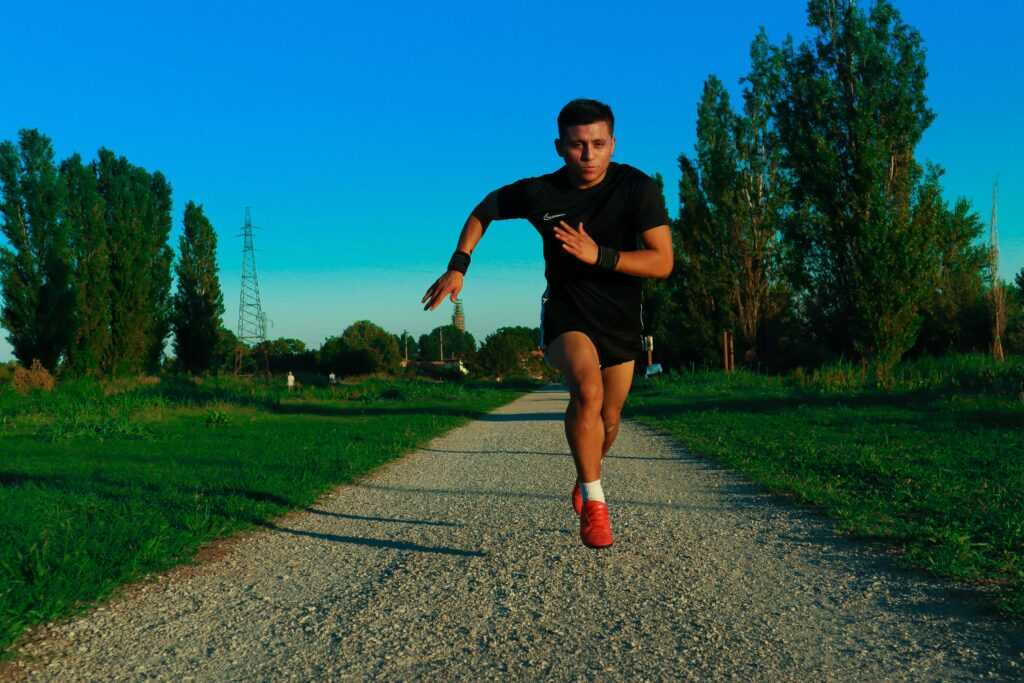

For runners, injuries are often an unavoidable part of the sport. From shin splints to knee pain, these setbacks can disrupt training schedules and make even short runs feel daunting. But have you ever wondered why some injuries heal faster than others? Understanding the factors that influence recovery can help runners take proactive steps to get back on the road more quickly.
The Complexity of Injury Types
Not all injuries are created equal. A minor muscle strain may resolve in a few days, while a torn ligament can take months to fully heal. The severity of the injury is a major factor, but other elements come into play. For example, injuries involving bones, tendons, or ligaments often take longer because these tissues have limited blood supply compared to muscles, which slows the healing process.
Additionally, overuse injuries are common among runners and tend to be chronic. Stress fractures, plantar fasciitis, and tendonitis develop over time, often exacerbated by repetitive motion or poor biomechanics. Since the body must repair cumulative damage, recovery from these injuries can be slow and frustrating.
Individual Factors Affect Healing
Every runner is different, and recovery is influenced by age, genetics, nutrition, and overall health. Older athletes may experience slower healing due to reduced collagen production and cellular regeneration. Poor nutrition, dehydration, or underlying conditions like diabetes can further impede recovery by limiting the body’s ability to repair tissue.
Mental health also plays a role. Stress and anxiety can trigger inflammatory responses, which may slow healing, while a positive mindset has been linked to faster recovery times.
Steps Runners Can Take to Support Recovery
While some aspects of healing are out of a runner’s control, there are some practical strategies that can improve recovery time:
- Rest and Gradual Return – Giving the injured area time to repair is crucial. Returning too quickly can worsen the injury and prolong recovery. Gradually reintroduce running with low-impact exercises like cycling or swimming.
- Proper Nutrition – Consuming a diet rich in protein, healthy fats, and vitamins supports tissue repair. Omega-3 fatty acids, vitamin C, and zinc are particularly beneficial for reducing inflammation and aiding recovery.
- Strength and Mobility Training – Targeted exercises can help stabilize joints and correct muscle imbalances, reducing the risk of recurring injuries. Stretching and mobility routines also promote flexibility and circulation, supporting tissue repair.
- Advanced Therapies – Emerging treatments such as regenerative medicine are helping athletes recover faster. Clinics like the Panama stem cell institute specialize in therapies that use the body’s own stem cells to accelerate healing, reduce inflammation, and improve long-term joint and tendon health. These therapies are gaining attention for their potential to support athletes in returning to peak performance.
Listen to Your Body
The key to a successful recovery is patience and attentiveness. Ignoring pain or pushing through injuries can result in chronic problems that sideline a runner for months or even years. By understanding why some injuries heal slower than others and taking proactive steps from proper rest to advanced therapies, runners can maximize their recovery and stay active for years to come.